
Search All Resources and Events by Keyword
(This provides a ‘fuzzy’ word search. To search for exact spelling, surround your search term with quotes like “ESG”.)
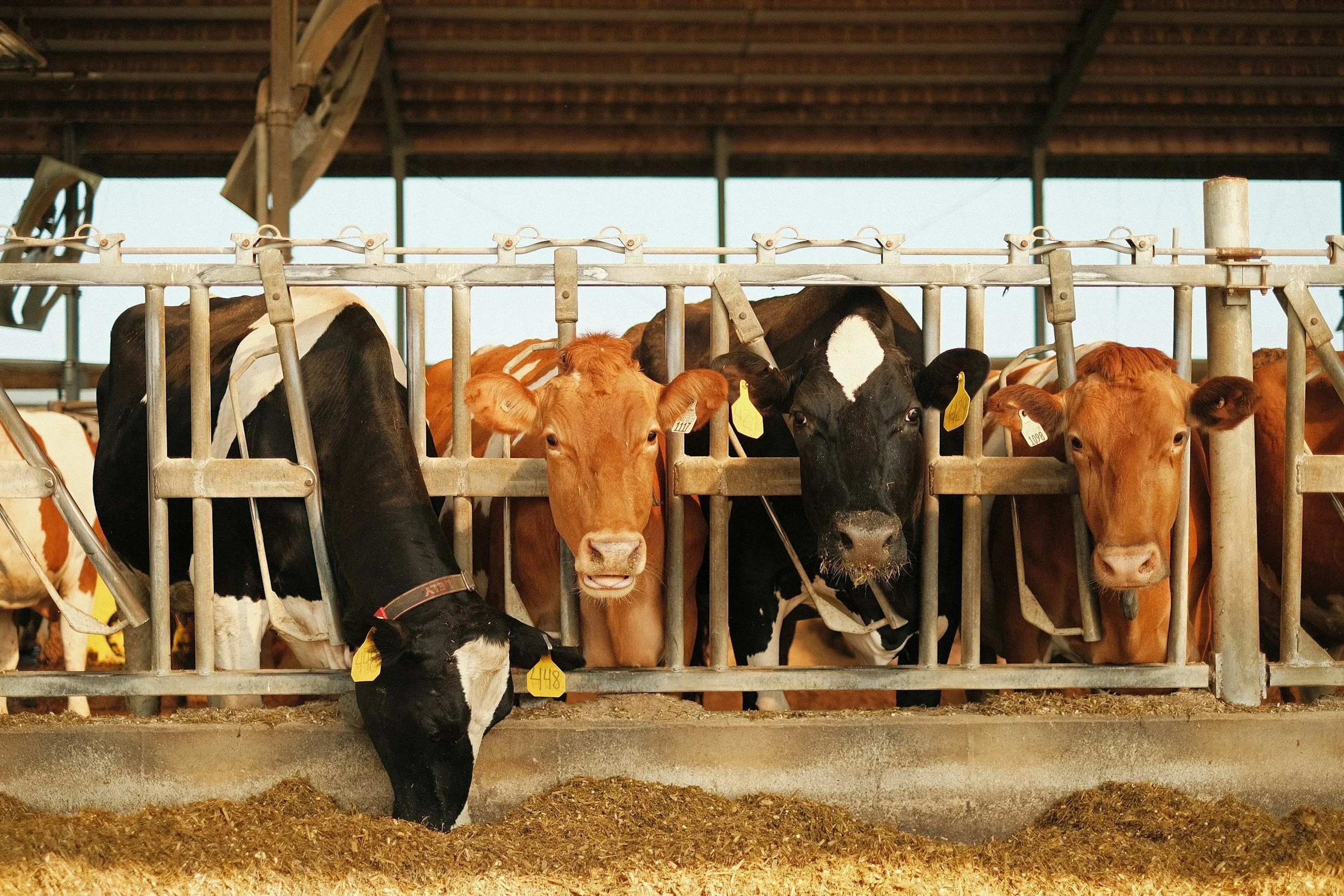
For food and beverage companies sourcing dairy, the majority of their emissions footprint sits not within their own operations but deep in the supply chain, on the farms. Tackling these emissions is difficult but not impossible. Addressing them through supplier engagement, on-farm practice changes and emerging technologies can have a significant impact in reducing scope 3 emissions.

Scope 3 emissions have always been the hardest to decarbonise, largely because organisations have limited direct control over them. Business air travel is a prime example. Sustainable Aviation Fuel (SAF) Certificates now can offer a credible, accessible way for companies to reduce the emissions associated with flights, without waiting for airlines to make the switch themselves.
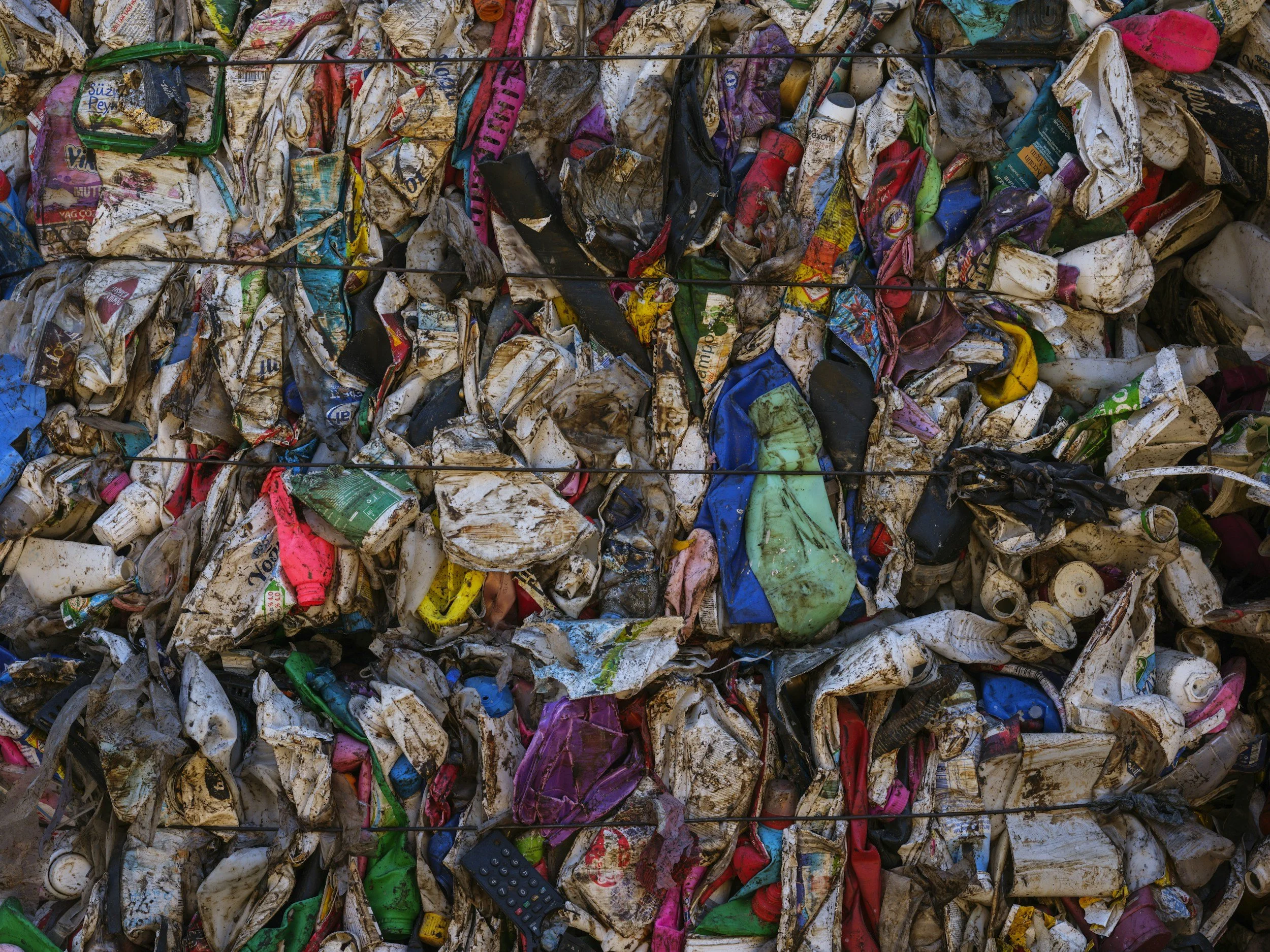
An estimated 4 to 9% of EU textiles, up to 594,000 tonnes annually, are destroyed before ever being used! That practice is now changing. . Under the Ecodesign for Sustainable Products Regulation (ESPR), large fashion companies operating in the EU are prohibited from destroying unsold clothing, accessories, and footwear with the ban entering into application on 19 July 2026.

Industrial heat accounts for more than half of global final energy demand and around 90% of it still comes from fossil fuels. Decarbonising it is one of the most complex challenges in the net-zero transition, because heat is needed across an enormous range of temperatures, from 20°C to over 1,600°C, with no single solution that works across all applications. The good news is that a growing range of renewable thermal technologies are becoming technically and increasingly economically viable. Here is an overview of the main pathways available.

In today's globalised world, getting materials and products from one place to another involves an enormous amount of transportation and, with it, a significant amount of emissions. Hence, for organisations serious about reducing their Scope 3 emissions, it is important to pay attention to this category.
The final version of the Corporate Net-Zero Standard V2.0 was published on 11 June 2026, marking a meaningful shift from ambition to accountability. It is essential for any company with exsting SBTi commitments or planning to set targets to understnad what has changed and how it affects them.

You might have heard and seen the number everywhere - in climate agreements, corporate net-zero commitments, and sustainability reports and policies. But what does 1.5°C actually mean, where does it come from, and why does half a degree make such a difference? This resource breaks it down.
B Corp certification is widely recognised as a mark of genuine commitment to all stakeholders, not just shareholders. That includes employees, suppliers, customers, the environment, and future generations. The new standards, published by B Lab on 8 April 2025, mark the most significant evolution in the certification's 19-year history, moving away from a flexible points-based system towards a more rigorous, requirements-based framework aligned with today's most urgent social and environmental priorities.

At the Responsible Supply Chain Conference during London Climate Action Week, B&Q shared one of the most thought-provoking takeaways of the event that while responsible supply chains create possibility, it is ultimately consumer choices that create impact. Their session explored a question that sits at the heart of sustainable retail: how do you get everyday shoppers to make better choices, without asking them to choose between sustainability and everything else they care about?

The importance of monitoring, adapting to, and mitigating climate risks has never been greater and the reasons extend well beyond regulatory compliance or investor expectations. Climate risk has direct operational implications: asset damage, supply chain disruptions, shifts in employee productivity, and changing customer demands are all real and growing business concerns. Building genuine climate resilience requires an understanding how these risks manifests at the local level for the business. The Reuters Climate Monitor is a practical, accessible tool that can serve as a value starting point for that process.

Building materials and construction processes account for 15% of global GHG emisisons and addressing what materials we build with is one of the most immediate levers available. Shifting to low-carbon, bio-based alternatives can significantly reduce the embodied carbon of buildings before they are ever occupied. WholeTrees is a compelling example of exactly that.
On 20th June, ISTEP hosted its first-ever live podcast on a topic that keeps many sustainability professionals up at night. Despite Scope 3 emissions accounting for more than 80% of most companies' carbon footprint, tracking, measuring, and reporting them remains one of the most complex challenges in sustainability practice. With regulations tightening globally, Scope 3 has moved firmly to the top of most organisations' priorities. The discussion brought together practitioners with hands-on experience to explore the real challenges of Scope 3 reporting and how to get started.

California's SB 261, the Climate Related Financial Risk Act, is one of the most significant pieces of climate disclosure legislation in the US. Check out the resources below to understand its key features.
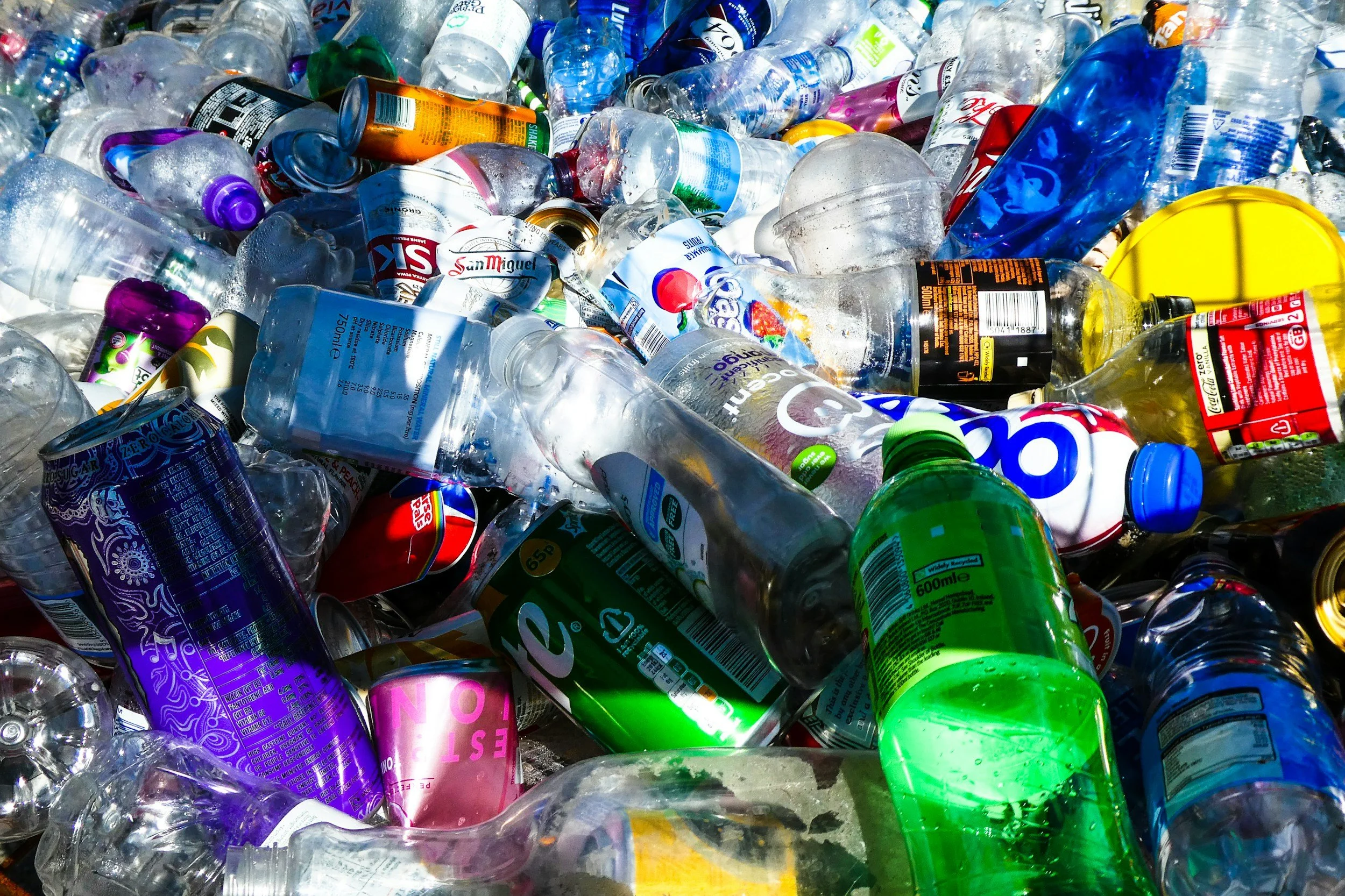
According to WRAP (Waste and Resources Action Programme), only 10% of the 142 million tonnes of plastic packaging produced each year is effectively recycled and one of the key reasons is that much of it was never designed to be recycled in the first place. Businesses that introduce plastic packaging into the market have a responsibility for how it is managed at the end of its life. Designing for recyclability makes it easier for consumers, waste collectors, and reprocessors to do the right thing.

Scope 3 Category 3 is often perceived as irrelevant by non-energy-intensive sectors or as something outside an organisation's control. However, gaining a clear understanding of this category is essential for an organisation to make an informed decision about whether it is material to them and to build a comprehensive Scope 3 emissions inventory.

Manufacturing waste is typically disposed through landfills, incineration or wastewater treatment. However, for organisations looking to reduce their emissions in scope 3 - category 5, there is a more strategic path: circular economy principles. Rather than following the traditional "take, make, waste" model, a circular approach keeps materials in use for as long as possible, reducing both waste and the associated emissions.

IKEA is known as the world's largest corporate consumer of wood, and over the years, it has built a reputation for ambitious sustainability initiatives focused on circularity and responsible sourcing. But in 2020, a scandal served as a stark reminder that sustainability claims are only as strong as the supply chains behind them. The case offers important lessons for any organisation making environmental commitments on the critical importance of supply chain visibility, certificate verification, and the very real reputational cost of greenwashing, whether intentional or not.
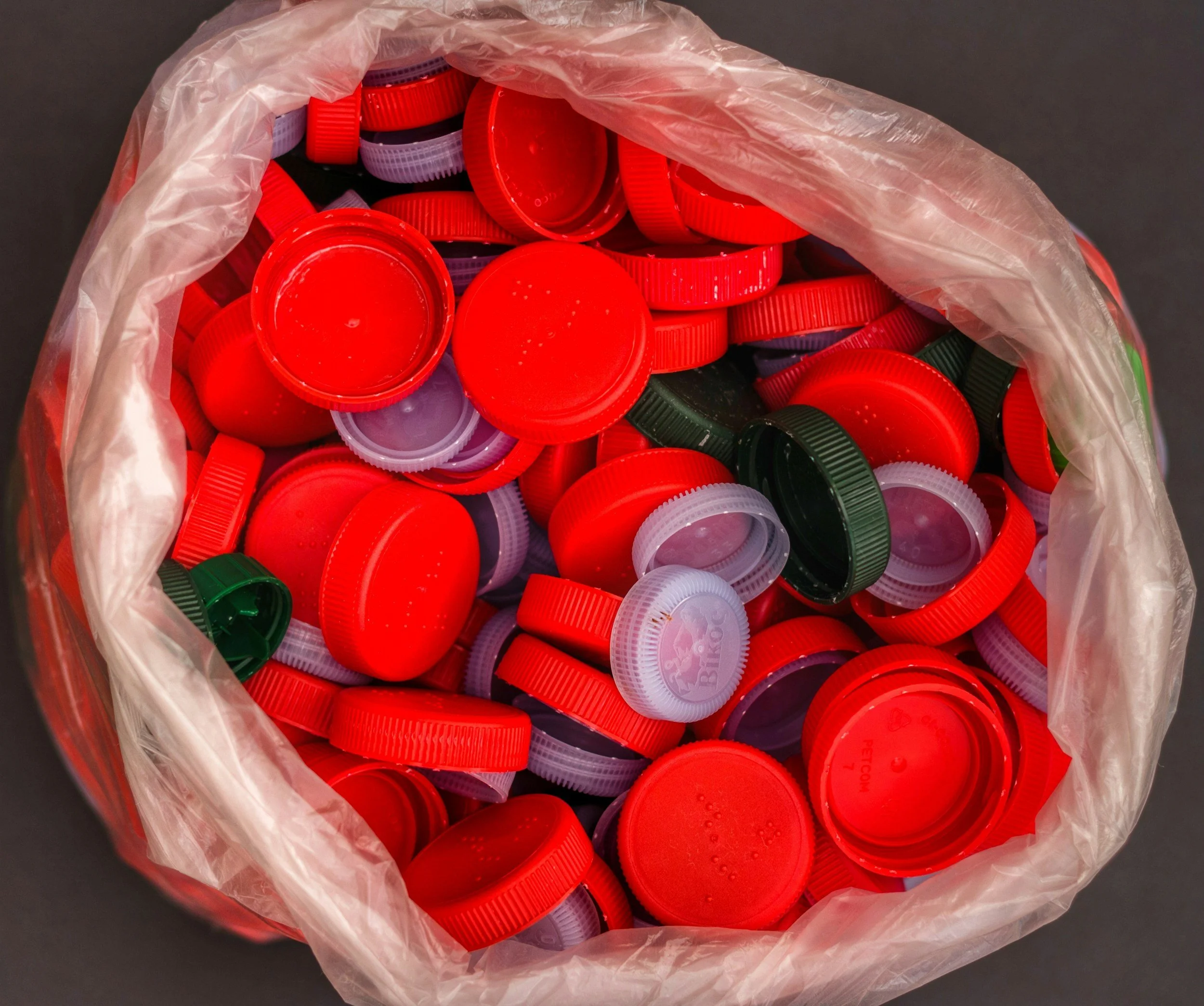
Medical plastic waste is a growing problem globally. Most plastics used in the healthcare industry are intended for single use, with their use lasting only seconds, minutes or hours! Once discarded, they break down into microplastics, contributing to widespread pollution. The US healthcare sector alone generates 1.7 million tons of plastic waste every year, and the majority ends up in landfills.
Seems like a massive problem, right? But a teenager from the Bay Area found an innovative solution for it.
The Task Force on Climate-related Financial Disclosures (TCFD) was a voluntary framework that guided companies to disclose climate-related financial risks. Despite being disbanded in 2023, its framework and recommendations are widely adopted in today's climate disclosure regulations.

Built from the recommendations of TCFD, IFRS (International Financial Reporting Standards) S1 & S2 aim to create a unified, global framework for sustainability-related financial disclosures and eliminate the confusion caused by a fragmented landscape of overlapping ESG standards.

On 16th April, ISTEP hosted a podcast-style webinar addressing the hot topic of sustainability professionals burning out. Most people in the field of sustainability are here because they care deeply, and when the problem they are trying to fix is this big and this urgent, it can feel like the weight of the world is on their shoulders. But sustaining your own well-being is essential to making the impact you wish to create. The session focused on sharing practical ideas for what to do when it all starts feeling like too much.

Many sustainability professionals face this challenge. When sustainability is framed primarily through disclosures, targets, or risk avoidance, it often struggles to compete with priorities tied directly to revenue, growth, and competitive advantage.
Winning C-suite support requires a shift in how sustainability is positioned and communicated. Building a compelling business case for sustainability is one way to win them over.

Surveys are the most commonly used tool for gathering supplier sustainability data. "Survey Fatigue" refers to the situation where suppliers feel overwhelmed or disinterested due to high volumes of surveys they receive, often combined with poorly designed questionnaires.
It often leads to low response rates, incomplete submissions and inaccurate data, affecting data quality. It hinders sustainability decision-making and weakens supplier relationships. To receive high-quality data and build collaborative supply chains, organisations need to rethink how they design and deploy supplier surveys.
Explore the resources below to learn how to reduce survey fatigue and design more effective ESG surveys to improve both data quality and supplier engagement.

As ESG reporting regulations tighten globally, organisations are increasingly expected to ensure transparency not only within their own operations, but across their supply chains. This has led companies to ask more of their suppliers than ever before: deeper data, policy alignment and transparency. However, for many suppliers, the request could feel like a mountain they are not equipped to climb.
Suppliers often face invisible challenges that make ESG data collection and reporting time-consuming, confusing and difficult to prioritise.
Before requesting data, sustainability professionals need to understand the realities suppliers are operating within. This resource page helps you view the supplier's perspective, identify where they are getting struck and provide shortcuts needed to turn 'compliance' into 'collaboration'.

Despite mounting political pressure and government pushback, the majority of US companies are holding firm on sustainability. Not out of idealism, but because the business case has never been stronger.

The EU and the US are on very different paths when it comes to ESG regulation. The EU has built a centralised, mandatory framework that applies to all companies operating within its borders, including non-EU parent companies. The US, in contrast, operates in a fragmented system. Understanding these differences is essential as it helps companies navigate both markets.

On 24th February, ISTEP hosted a webinar on "Using AI for Sustainability Tasks". We have all heard that AI is everywhere, but for many sustainability professionals, the jump from hearing about it to actually using it feels like a massive leap.
Whether you are feeling "left behind" or lost on where to start, the session was designed to break the myth that you need to be a tech genius to leverage these tools. We also explored how sustainability professionals can effectively leverage already existing free tools and make AI into their virtual teammate.

While we have all heard that supplier risk analysis provides insights that can help us prevent and mitigate risks before they arise, it is a task many of us have put off since it seems daunting. The webinar hosted by ISTEP on 27th March aimed to break down this complex process, providing participants with a clear structure to help them get started. The session focused on building a decision-ready view of supplier risk, aligned with TCFD and IFRS expectations.
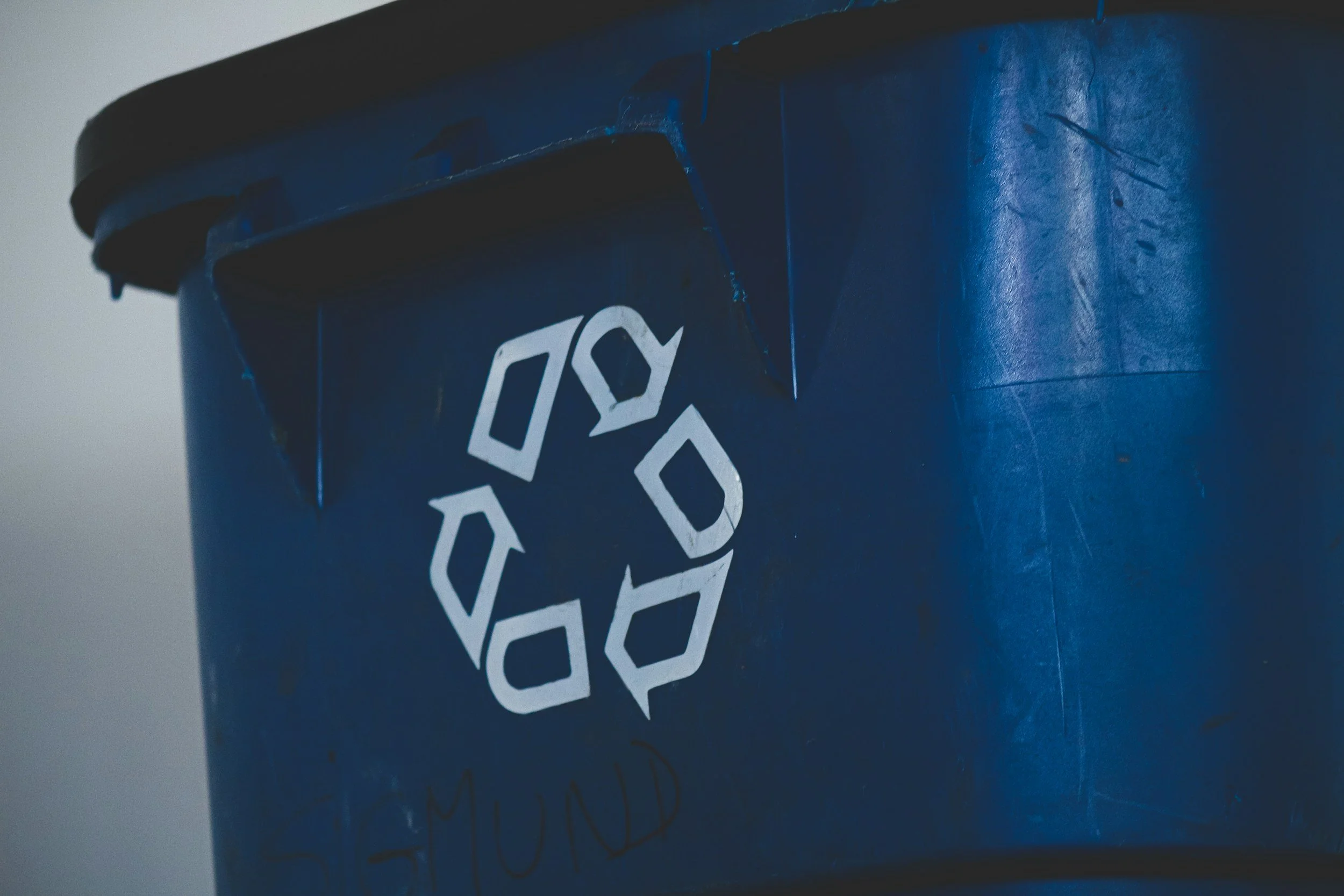
California's SB 343 is a landmark law that aims to end the era of 'aspirational recycling'. For years, the chasing arrows have been used as a generic marketing tool for recycling. This regulation changes the game by prohibiting the use of any recyclability indicators on products or packaging unless they meet strict, data-driven criteria.
This is a massive step forward in the fight against greenwashing. By strictly defining what qualifies as recyclable, the law eliminates misleading labels and ensures that only materials truly processed by California’s infrastructure can be marketed as recyclable. In addition, it also prevents recycling streams from contamination.
It is important to note that SB 343 does not ban the sale of non-recyclable products; it simply bans the "lie." If a product cannot be recycled in practice, it can no longer carry the symbol that suggests otherwise.

The University of Bath recently hosted the Sustainability Exchange, a forum that brings together industry leaders to share "real-world" sustainability stories. Organised in partnership with ISTEP, the series aims to bridge the gap between academic theory and corporate practice.
The first talk welcomed Lee Sheppard, Director of Corporate Affairs, Policy & Sustainability at Apetito, who shared an inside look at the company's sustainability strategy.
Apetito is a leading global provider of frozen meals and catering solutions, specifically serving the healthcare, education, and social care sectors. As the parent company of the well-known Wiltshire Farm Foods, its model focuses on delivering high-quality, nutritious meals to the most vulnerable populations while leading the industry in environmental and social responsibility.